
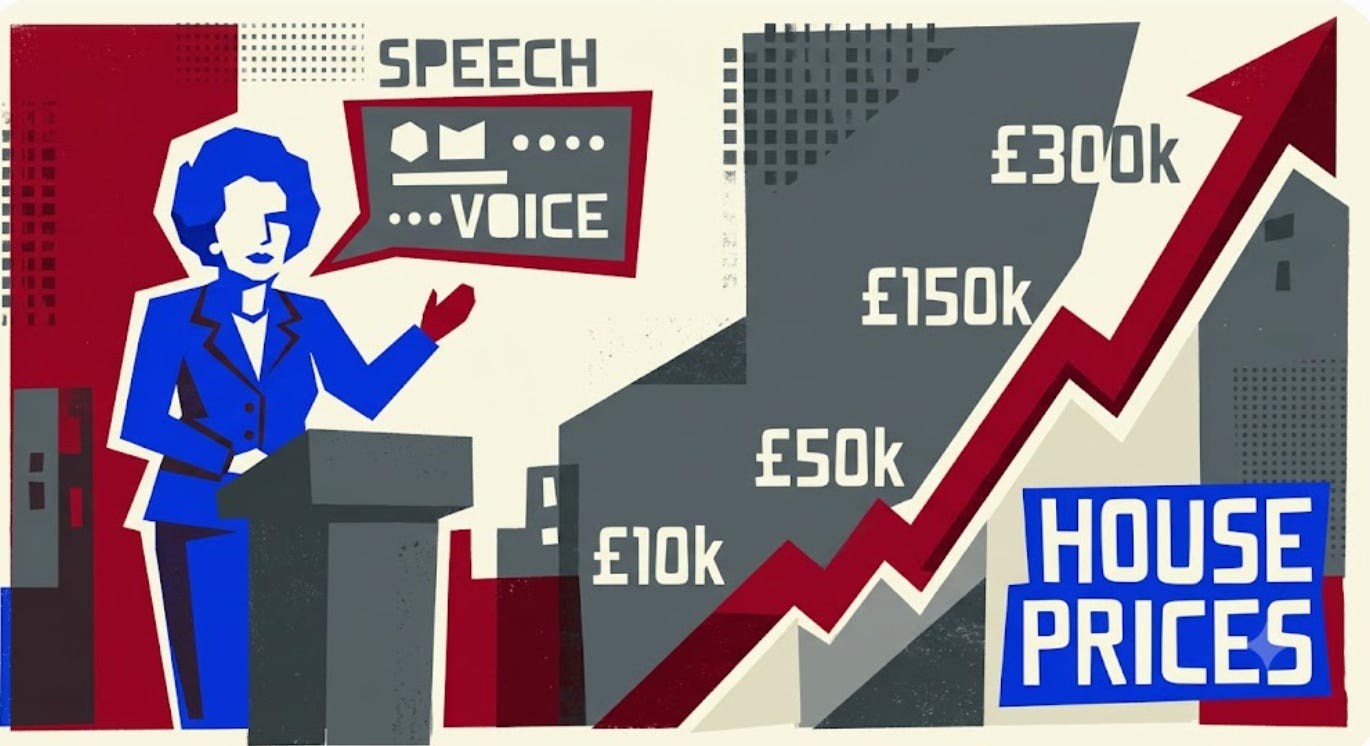
Thatcher set out to get Britain growing.
Her solution to the bloated post-war state was to shrink it and sell it off - move it to the private sector.
The thinking was government is inherently inefficient, and the private sector, disciplined by market forces, is not.
In the short term, it looked like it was working.
The sales raised money, grew investor wealth, and reduced public debt.
And in some cases it did work - where privatisation created real competition - telecoms, airlines like British Airways. BT was in competition with rivals and prices fell.
But it was too much.
Those market reforms led to the situation Britain is in today. Blindly following those old principles when they no longer work.
Privatisation only works when there is competition to do the disciplining.
A water company, a railway, a national grid - these are natural monopolies.
There is one set of pipes, one set of tracks. Selling them doesn’t create competition; it just transfers a public monopoly to a private one.
The answer to an inefficient state was never to sell off its monopolies. It was to make the state itself run them better.
The promise was that the people would become the shareholders - popular capitalism. But That is not what happened.
The shares have concentrated in big finance - BlackRock, the index funds- and increasingly overseas owners.
Public monopolies became worse - private ones, and public debt shifted to private debt, larger than before.
Things looked great, there was a stock boom in the short term.
But it left behind an extractive layer, pushing up prices and the cost of living.
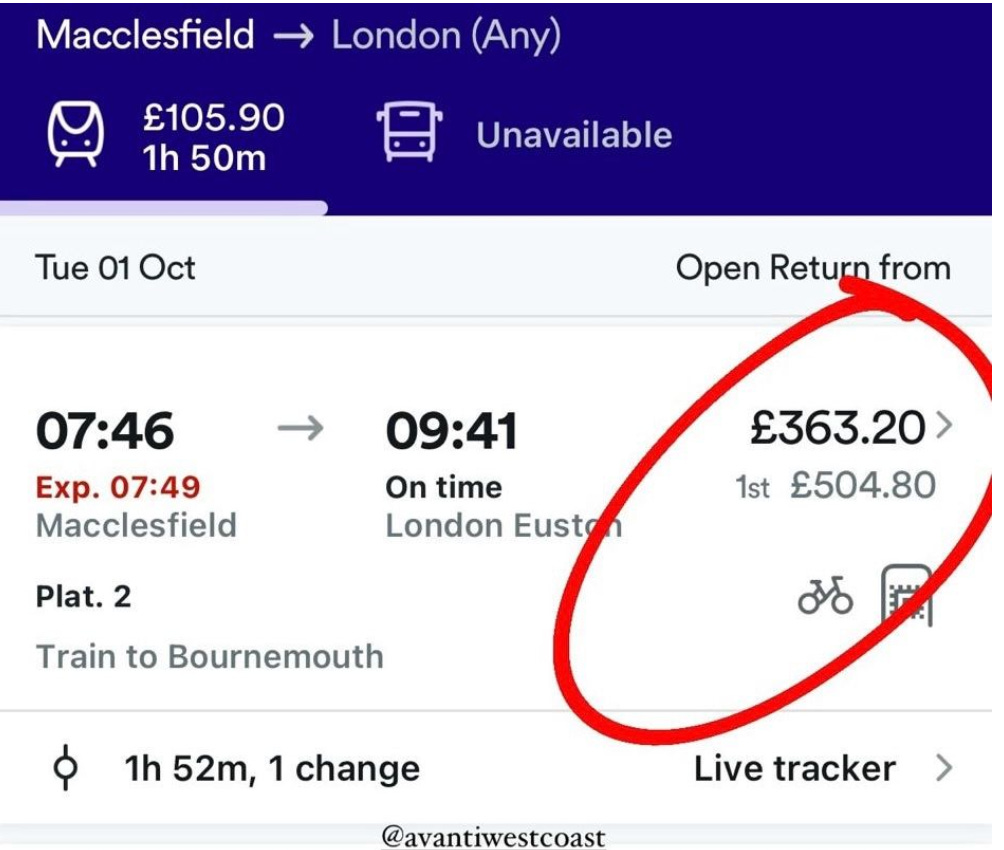
Becuase if GDP is the measure of success, it still has to find some way to grow the economy.
Rising energy prices, rising levels of profit for energy companies is what it was designed to do.
The government debt didn’t disappear; it moved.
Off the public books and onto private ones, in the form of mortgages.
The state stopped borrowing to invest and let households borrow instead.
And we built our growth on a rising tide of house prices.
But Housing was never truly privatised.
It was semi-privatised - on paper, you own it (with the bank), but the state kept every lever: planning permission, interest rates, the supply of land.
And that scarcity is what made it grow.
It did benefit the first homeowners, like an MLM.
They could then use money from their first house price going up to buy more.
But then the merry go round stopped.
Housing can only go up so much, until the mortgage debt becomes extractive.
Until first time buyers can no longer afford to live near to work.
So what’s the solution?
To take back control of what should be run by the state - and we’ve got plenty of examples of competent states now that can get stuff done - that Thatcher didn’t have - Singapore, China, UAE, Norway, Switzerland.
But we also forgot that the British state was capable of building, and was one of the most effecitive and well-run states that ever existed (fiscal-military, Victorian infrastructure, 1940s reconstruction), financial capacity - that even exceeds that of the Roman empire.
for a period, the British state was one of the most capable the world had seen, comparable to Rome in reach and exceeding it in financial sophistication
That capacity has been deliberately hollowed out since roughly 1979 - because of Thatcher’s thinking - through privatisation, outsourcing, the loss of in-house engineering and planning skill, and the cultural assumption that the state is inherently inefficient.
We should make growth about real growth.
To make government efficient - not bigger, but more effective, and the private sector to be free to do what it does best.
The Platform State: New State Capitalism Unites Left & Right

The left - right axis is no longer the right one - it can resolve into a new kind of state capitalism. This is what we can learn from China.