
TLDR: After 25 years of managing asthma in the UK with inhalers, I moved to China and Malaysia and found a permanent "cure" for $200. The secret was a simple IgE allergy test that the NHS rarely offers. While 80%+ of asthma is allergic, only 2% of UK patients get tested for allergies. I’m sharing the data on why the UK has 3x the asthma rate of China, the link to dust mites, and how you can take control of your own diagnostic journey.
*This is my own experience and not medical advice - please consult with a doctor before changing treatment plans.
I am sharing my experiences after reflecting on my own experiences and also after reading articles about unfortunate cases of Asthma, also reflecting on a conversation with a parent of a student who was considering moving to China but had asthma, and my discussions with nurses in UK and Malaysia.
I will first share my own experience and then my interpretation of it and then my conclusions after researching the wider issues. I’m obviously not a qualified doctor, so it shouldn’t be taken as advice. If sharing this might incentivise just one person to get allergy tested it could potentially improve a quality of life or save a life and that would be worth it.
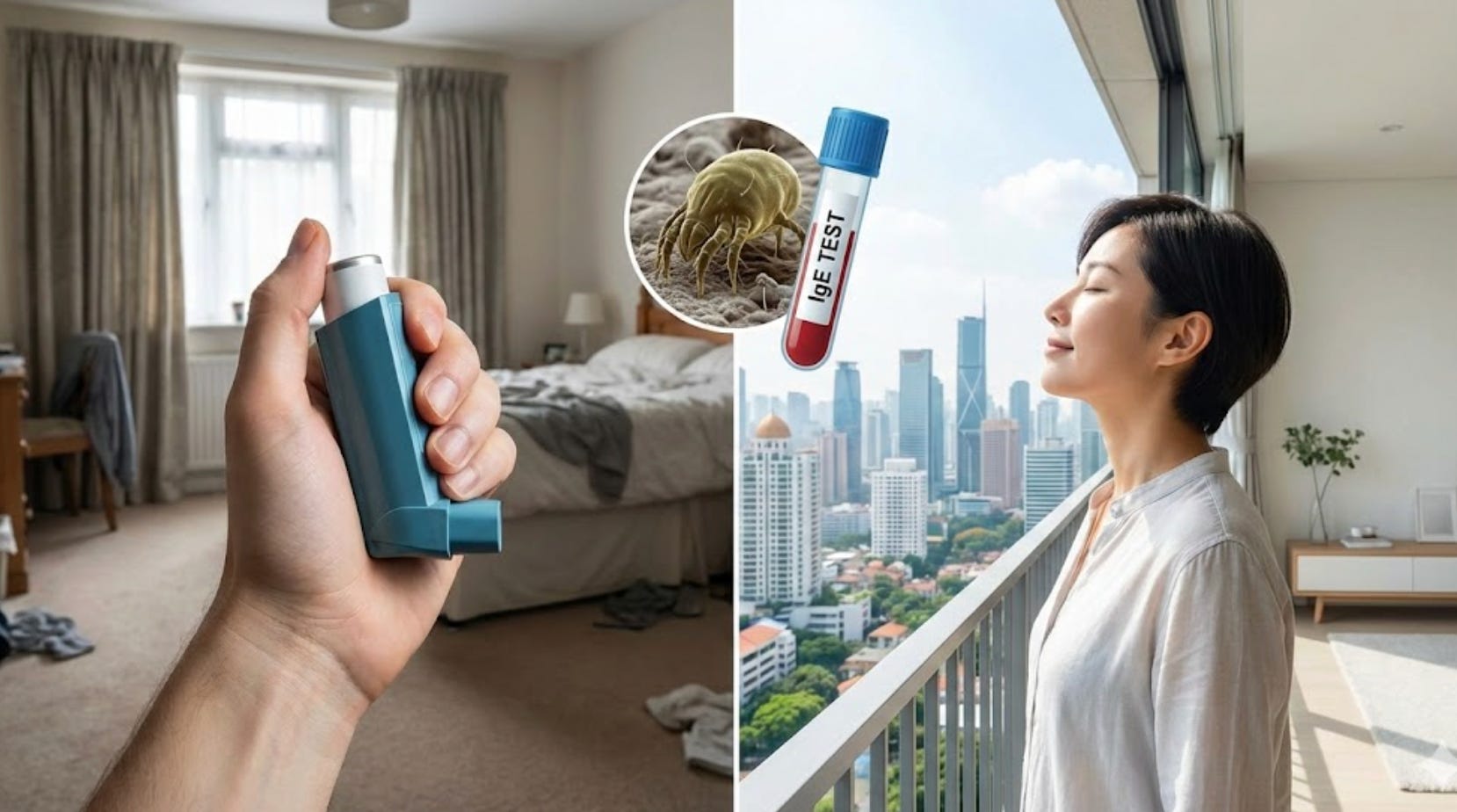
I had mild asthma and hayfever from a young age which, as I think is the reflection of most people, is more of a nuisance than anything serious with it sometimes being quite limiting during summer periods. I would go to get preventative medication at least twice every year. I am now completely free from both Asthma and Hayfever which I have interpreted as having the same trigger.
It is commonly stated that there is no cure, but that sometimes people grow out of it. My experiences suggests a different way of looking at it.
Something that really surprised me was that when I went to China at 20 years old, which has supposedly higher levels of pollution, my asthma completely cleared up.
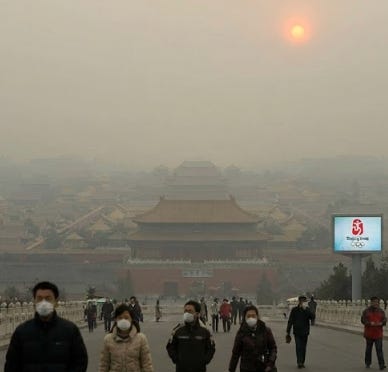
After moving to UAE and back to UK, I would then occasionally get Asthma and / or hayfever, but never in China.
It wasn’t until I was in Malaysia that I had more wheezing and sneezing, especially when I put on a specific jumper, that I got a IgE blood test (which cost $200 USD) and received a report that it was a dust mite allergy. After looking into it it made perfect sense that this was the causes.
Dust Mite Allergies
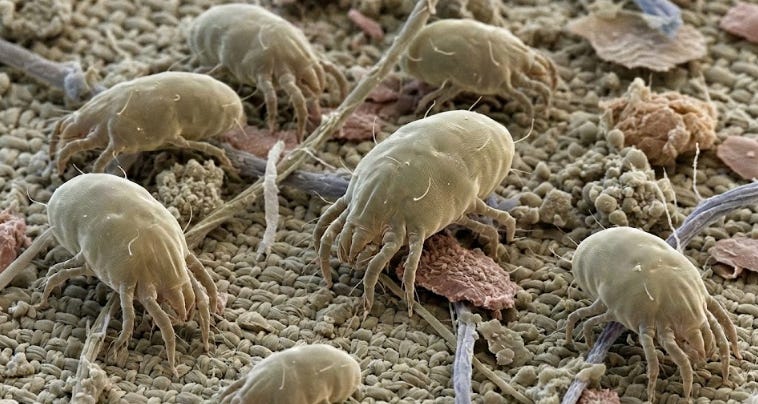
Dust mites are invisible to the naked eye, but the average pillow contains between 100,000 and 10 million microscopic dust mites. They feed on dead skin cells of which the average person sheds 1.5 grams per day. The average releases 20 waste pellets daily. After two years, up to 10% of a pillow's weight can consist of dust mites, their droppings, and dead skin cells. It makes sense that this material might be irritating if breathed in, as dust mites are literally designed to break down and consume skin cells. The allergen is actually a digestive enzyme (Der p 1) which is found in their droppings.
The solution was therefore to eliminate dust mites - specific anti-mite bedding, more frequent frequent washing and changing of bedding, clothes, drying outside and cleaning and an anti-mite spray which I sprayed everywhere - bedding and clothes. Since making these changes 2 years ago, I have not had any asthma or allergy.
Cured?
In that sense I have cured my asthma. Some might debate about whether this is a cure or not. Cure can be defined as - restore health and eliminate a disease or problem so it's not expected to return. And if that is the definition then it is cured. From a medical definition I am still allergic and could be triggered again. However it is framed, I’m in a much better position as I understand the trigger. It’s possible that I could have become allergic to it because of a high exposure when I was younger.
Dust Mites Aren’t Good for Anyone
Even if you don’t have asthma, sleeping in a bed full of mites isn’t good for you.
It can trap you in a state of chronic sub-clinical inflammation. In this state, your immune system is never truly at rest; it's constantly deploying resources to fight off the digestive enzymes (Der p 1) found in mite droppings that you inhale throughout the night, which can make you more susceptible to other diseases.
This often presents as "unexplained" morning grogginess, brain fog, or a slightly congested nose that you’ve simply accepted as your "normal" baseline.
Removing this trigger doesn't just prevent illness; it unlocks a higher level of daily vitality, clarity, and "flow" that most people don't even realize they are missing until they finally experience a truly clean environment.
Testing for Allergies
What was surprising to me was that for my whole life in UK, after about 30-50 visits, I was continually given medication with speculation about what the cause was - that it could be pollen related and never once given an allergy test.
After researching this I have found that while between 80-90% of asthma sufferers caused by an allergy, only 2% are tested, and less than 1/3 of more serious cases are ever tested despite the evidence showing that the majority are caused by an allergy, with the majority being dust mite allergies.
While looking at the most serious cases of asthma, it seems even more alarming. There are about 1500 people dying of asthma in UK per year (about 4 per day). When experts reviewed the cases of 54 children who died from asthma, they found:
54% were known to have allergies that contributed to their asthma.
35% (19 out of 54 children) had no information at all about allergies in their medical records.
17% (9 children) were recorded as having “no known allergies”- but the report suggests that in many of these cases, the tests were simply never done.
In other words, half of the children had allergies and the other half were never tested, suggesting it was a complete "black hole" in their medical history. The report identifies "poor record-keeping" and "poor communication around allergies" as potentially modifiable (preventable) factors in these deaths. The report explicitly states that nearly two-thirds of asthma deaths in the UK are avoidable.
Why doesn’t the UK test?
In Malaysia allergy testing is standard and costs a maximum of 200 GBP.
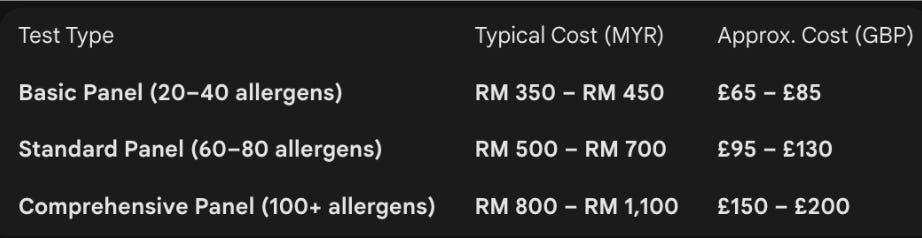
I looked into why the UK doesn’t test, but Malaysia does. It could be related to incentives and the extra steps to refer to a specialist compared to relative ease of giving an inhaler as medicine.
There can also be some pressure or incentives from the asthma medication manufacturers who also fund research and guidelines on how to treat Asthma.
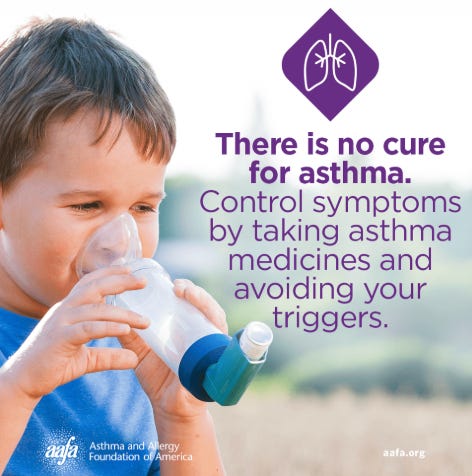
Asthma medicine is a big industry worth $25 Billion USD per year expected to reach $35 Billion in 10 years.
Constructive Not Criticism
I’m hugely grateful for the incredible support that I received and the amazing people working in healthcare who I believe are heroes. This piece is not intended as a criticism of them, but perhaps the incentives in the system, I am sharing my personal experiences and personal conclusions as a patient - which has the potential to improve quality of life, save money and resources which can be put towards other more issues and save lives.
Comparing Asthma Globally
Zooming out, the numbers are huge. As of early 2026, 5.4 million people in the UK are currently receiving treatment for asthma. The UK, US, Canada, and Australia, have some of the highest rates of Asthma in the world with hotspots in Honduras. The NHS spends $4 billion on Asthma each year.
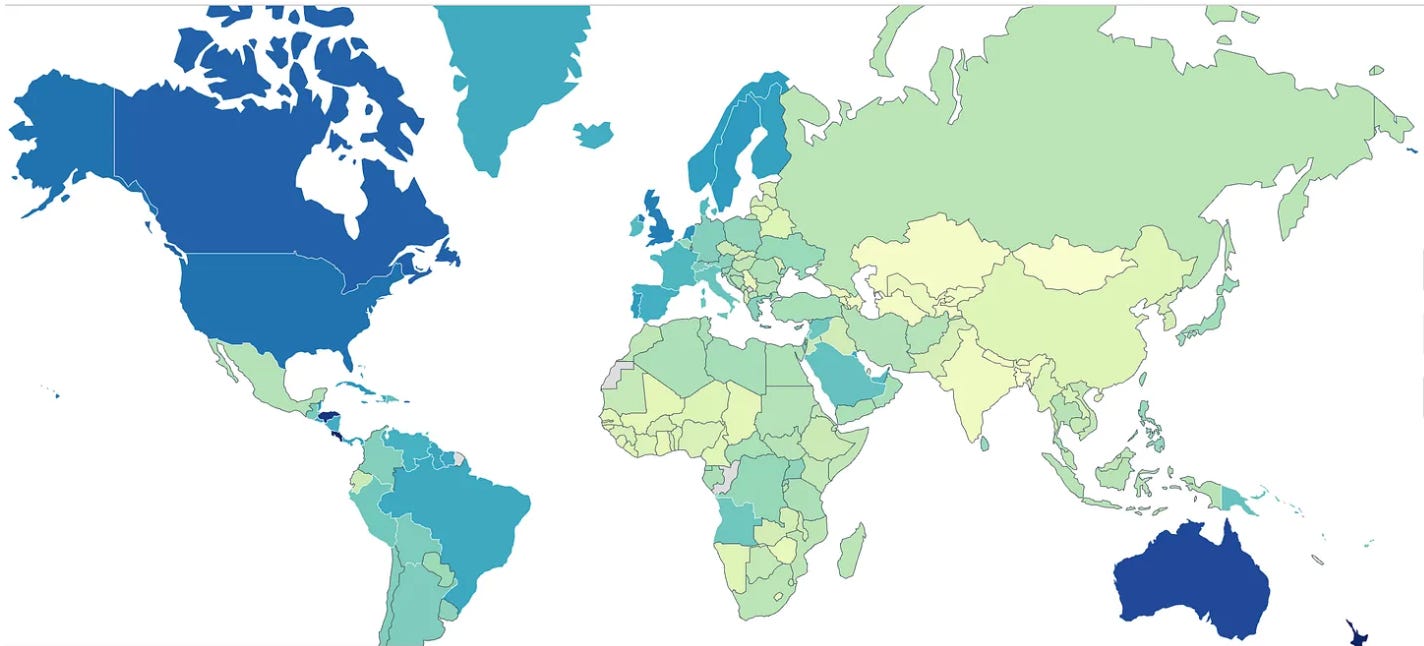
https://worldpopulationreview.com/country-rankings/asthma-rates-by-country
If more people in UK received tests, this could reduce huge suffering, wasted time and resources and save lives.
Why UK has 3x Asthma than China?
We are taught that pollution is the primary enemy of the asthmatic. But my experience suggests that it’s humidity
The “Mite-Killer” Climate (Beijing): While Beijing is famous for its smog, its climate is a natural “mite-reset.” Dust mites physically cannot survive in humidity levels below 50% - they desiccate and die. Beijing’s extreme, bone-dry winters effectively wipe out the mite population every single year. In that environment, the “invisible trigger” simply doesn’t exist.
The “UK Incubator”: Contrast this with the UK’s “Temperate Damp.” Our homes are year-round incubators. Because it is rarely extremely dry or extremely hot, the mite population never “resets.” Instead, it compounds for decades inside our carpets, heavy curtains, and floorboards. We are living in highly efficient dust mite farms.
High Rates in Honduras

The high rates of asthma in Honduras can be largely due to the country’s unique "dust profile. In Honduras, the tropical climate provides a permanent, high-humidity "incubator" for house dust mites, which thrive in the porous materials of local housing.
However, this is significantly exacerbated by road dust and agricultural dust, particularly from large-scale harvesting and the burning of crop residues. In urban areas like Tegucigalpa and San Pedro Sula, poorly paved roads and high traffic density mean that dust is constantly kicked into the air, carrying not just soil but concentrated biological allergens and pollutants.
This creates a "dual-trigger" environment where the lungs are chronically primed by indoor mites and then acutely challenged by heavy outdoor dust, leading to some of the highest sensitization rates in the Western Hemisphere.
Different Types of Asthma
Many people believe exercise, cold air, or pollen 'causes' their asthma. Everyone is different. But my experience suggests that for me these were just the 'last straw.' If your lungs are already chronically inflamed by an invisible, year-round trigger like dust mites, then exercise or pollen simply pushes you over the edge. When I removed the dust mites, the other 'causes' suddenly stopped being a problem.
Hygiene Between the West and Asia
From my own experiences living in Western houses and Asians suggests there are also other reasons why UK has higher rates of Asthma than in Asia and that is cleanliness. In the UK 12% of people have asthma compared to 6% in Japan.
The average person sheds 1.5 grams of skin per day, with the majority of that being in the bed. This is what the dust mites feed on.
Only 28% of British people wash their bedding weekly, despite recommendations to do so, with the largest group (36%) cleaning them once a fortnight, and the rest changing bedding less frequently such as once a month. Evidence and conversations online suggest that in Japan, China bedding is washed or changed once a week and in warmer climates such as Malaysia or Singapore once every 3-5 days is common.
Showering habits also differ. There is also evidence that in China and Japan people shower at least once a day (or more frequently when it is hotter) but usually have a shower in the evening before bed. The majority in the UK showers 2 days or less frequently with only 49% every day. Showering in the evening and more frequently would reduce excess skin and make the bed cleaner and reduce dust mites.
Humidity also has a big difference. As they can’t drink they will absorb humidity from the air. Carpets, sofas, and curtains are also an important factor.
One interesting thing to note is that dust mite types differ. With the specific one I was allergic to not being prevalent in China.
Conclusion
I’m incredibly grateful that I’ve found the root cause, and I encourage everyone who has asthma but has not yet had an allergy test to get tested with a IgE allergy test.
My research and experience suggest that the majority of cases are driven by invisible triggers like dust mites. Identifying the trigger could be a first step.
The Shift from Passive to Proactive
For decades, the model of healthcare has been: get sick, see a doctor, get a prescription. My experience suggests the future of health looks different. It involves becoming the “owner” of your own wellbeing.
With the rise of affordable private testing (like the IgE test I took in Malaysia) and the accessibility of research, we are moving away from “one-size-fits-all”.
Taking control means learning, taking healthcare into your own hands: Self-Testing: Not waiting for a referral if you can access data yourself. Understanding that systems are often designed for “scale and stability” and are better at management rather than “individual optimization,” and that it is up to the individual to bridge that gap.