
It can be really tough for students to understand how to get a scholarship to study in China.
Hi, I’m Rich
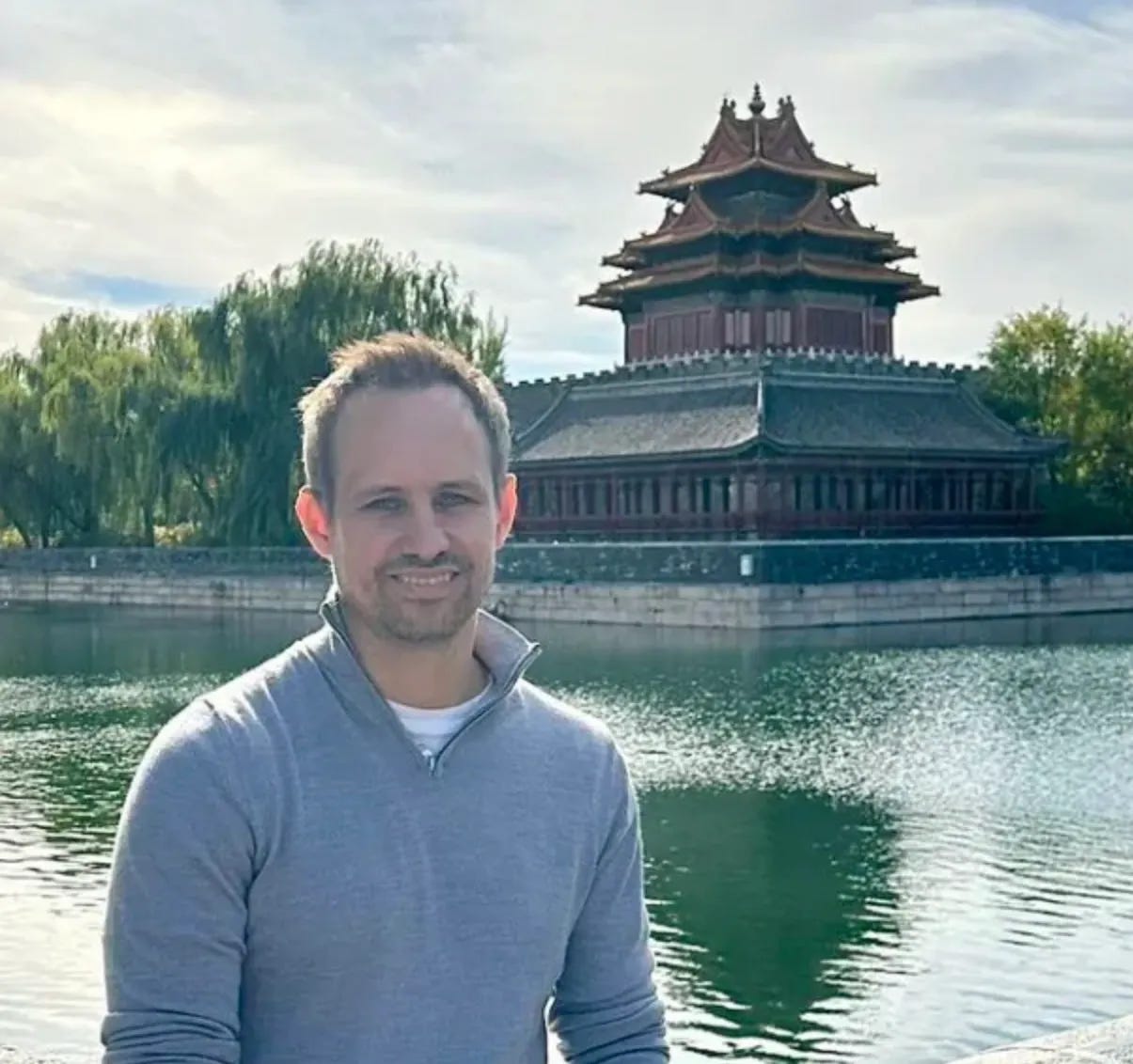
Originally from UK, and founder of China Admissions and Global Admissions. We’ve helped thousands of students study abroad.
Most students miss out for one reason: they start too late and don’t know the system.
Here’s how it actually works.
The main scholarships you can apply for
Chinese Government Scholarship (CSC) - the main one. Covers tuition, accommodation, and a monthly stipend. You can apply two ways: through the Chinese embassy in your country (Type A), or directly to a university (Type B).
University scholarships - most universities offer their own, separate from the CSC. Often easier to get and less competitive.
Provincial / city government scholarships - e.g. Shanghai, Beijing. Usually applied for through the university.
Confucius Institute Scholarship - if you’re studying Chinese language or teaching.
The timeline (this is where most people go wrong)
December–January: start preparing your documents. Don’t wait.
For bachelor’s applicants: you now need to take the CSCA test (China Scholastic Competency Assessment) before the deadline - this is new, and many students don’t realise it exists. Check dates at csca.cn.
Application window: opens around Spring Festival and most deadlines fall late February to March. University and provincial deadlines can run into June.
Results: usually announced in July.
The single biggest mistake is starting in spring - by then the best scholarships are already closing.
What makes a strong application
Understand what they want - they don’t give free scholarships for nothing - they want to build international influence, and attract talented students to learn about China and build ambassadors who understand will connect China with your home country.
A clear study plan that connects your background to the program and show your China interest. Learning some Chinese is a big advantage.
Strong reference letters and well presented documents with good English.
Applying to the right level of university for your profile and showing that you’ve done research - eg., reached out to others and understand their culture.
Getting your language certificates sorted early (HSK for Chinese-taught programs; or IELTS/TOEFL for English-taught).
Because each country, and agency has a certain quota, applying early and making a connection at the embassy or university can give you a big advantage.
Make sure to present your application documents perfectly, because usually they won’t give any feedback - they’ll just put it aside and you’ll never know. With the number of applications they have, they usually don’t have the resources to give you feedback and help you refine your documents.
If you can present it to them in person it can be a big advantage - either in person at the embassy, or at a university, or ask a friend to hand it in - so you can watch them review it and then update it if theres an issue. You can also get their contact so you can follow up on the status.
Go deeper
Our full written guide: Scholarships to study in China
My video tutorial on applying
Browse open programs and university scholarships: China Admissions
Explore and apply to other global scholarships on Global Admissions
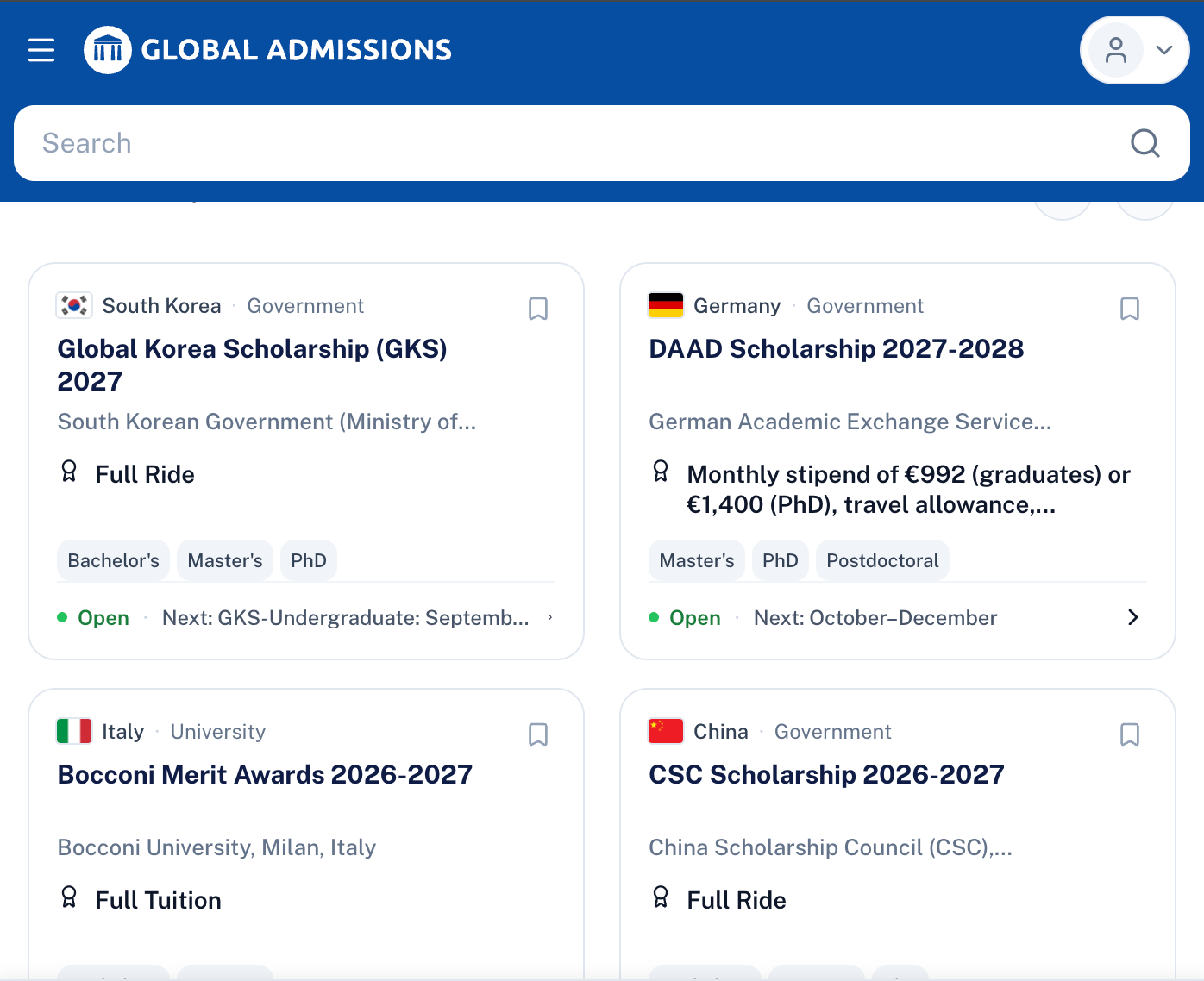

Explore more scholarships on Global Admissions here.
Want help?
Applications for 2027 open right after Spring Festival - the best time to start preparing is now.
Subscribe for more content about mindset, and opportunities for the future.
Recommended Article:

Any questions? Let me know