
I feel inspired every time I walk past the Burj Khalifa. It’s a reminder of what man can do, it motivates me to think bigger, and it has played a part, along with a number of other state-led policies, in transforming Dubai into the world’s number 1 tourist city in terms of spending (beating London and New York).
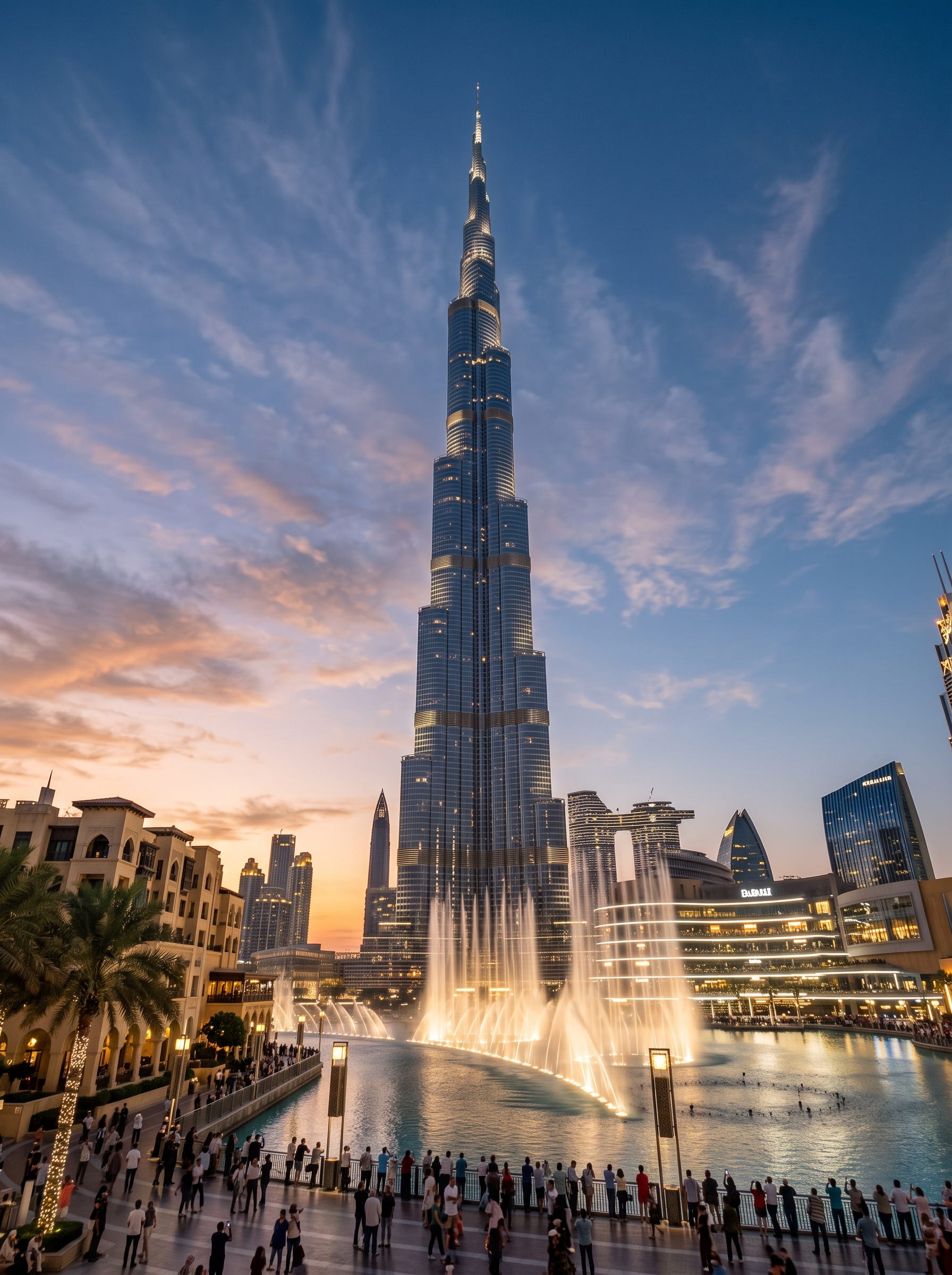
International tourist spending, generating nearly $30 billion annually from global visitors. Almost, the equivalent of what the UK earns from all the international students (at about 40 billion GBP).
Rooms with Burj Khalifa views can charge almost double the rent than those facing other directions.
The fountain display costing $218 million USD to build, plays 13 different songs throughout the evening and night, lighting up the Burj. The display is basically the equivalent of New Year celebrations elsewhere around the world.
Dubai without Burj Khalifa is not the same Dubai. Paris without the Eiffel Tower is not the same Paris. They define those cities.
A great building does something to the people around it - it attracts talent, and a certain type, it lifts the sense of what’s possible, gives a place a shared thing to be proud of, and raises everyone’s ambition.
Nine hundred years ago, a similar bet was made on a hill in England.
Between 1311 to 1549 the tallest building in the world was Lincoln Cathedral. It was the Burj Khalifa of its time.
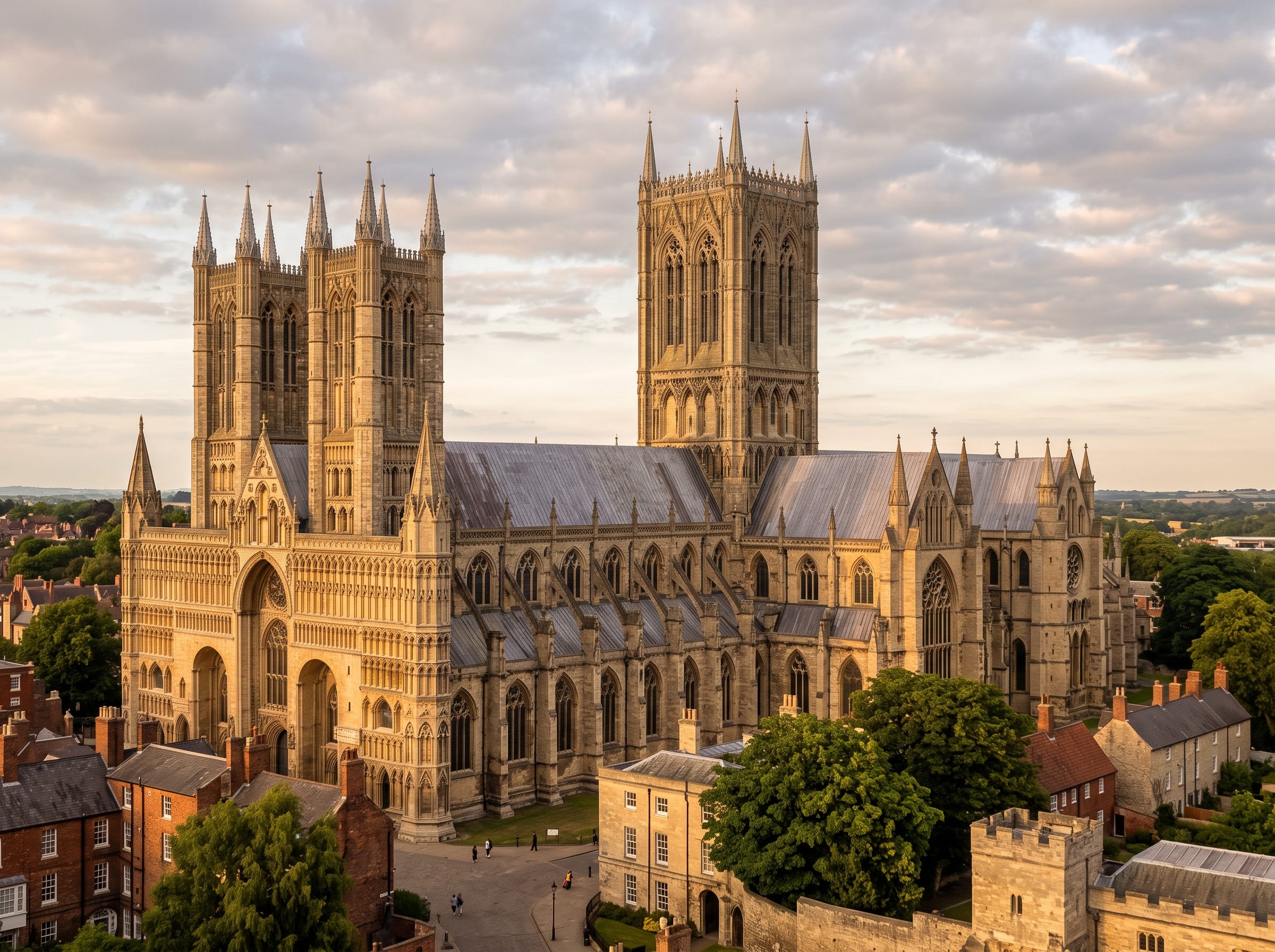
Surpassing the Great Pyramids which were the tallest buildings for 3,800 Years.
Lincoln which was the center of the wool trade in England and one of the largest cities. The church had accumulated sufficient resources the ambition to push the technology of its time to signal to others that this was Lincoln.
What’s interesting is that Britain wasn’t the wealthy country and empire, that it later became. It was a medium power, dwarfed by the Islamic world and Chinese song Dynasty, but it was administratively well run, which is what is interesting and also a parallel with Dubai. England was the UAE of its time - small, but with real institutional ambition, even if it was dwarfed by the great powers of the age.
It was the institutional and organisational capacity of the church that built it.
And contrary to the myth of a democratic governance by the people that we would describe of Britains growth today, it was highly centralised following the Norman invasion.
Almost like an emerging version of a platform state.

The platform state is the idea that a successful state’s role is to manage the infrastructure layer of the economy, and to let the the dynamic layer thrive.
It’s also something I think we don’t measure as much now - we've stopped valuing how well-run things are because it’s not something we measure directly - the value doesn’t show on GDP.
Being wealthy is not the thing that matters most - competence and the will to build can matter more than raw riches.
A medium power that is well-run and builds ambitiously can outperform, over the long run, a richer one that isn't.
Wealth and power is overrated relative to competence and ambition.