
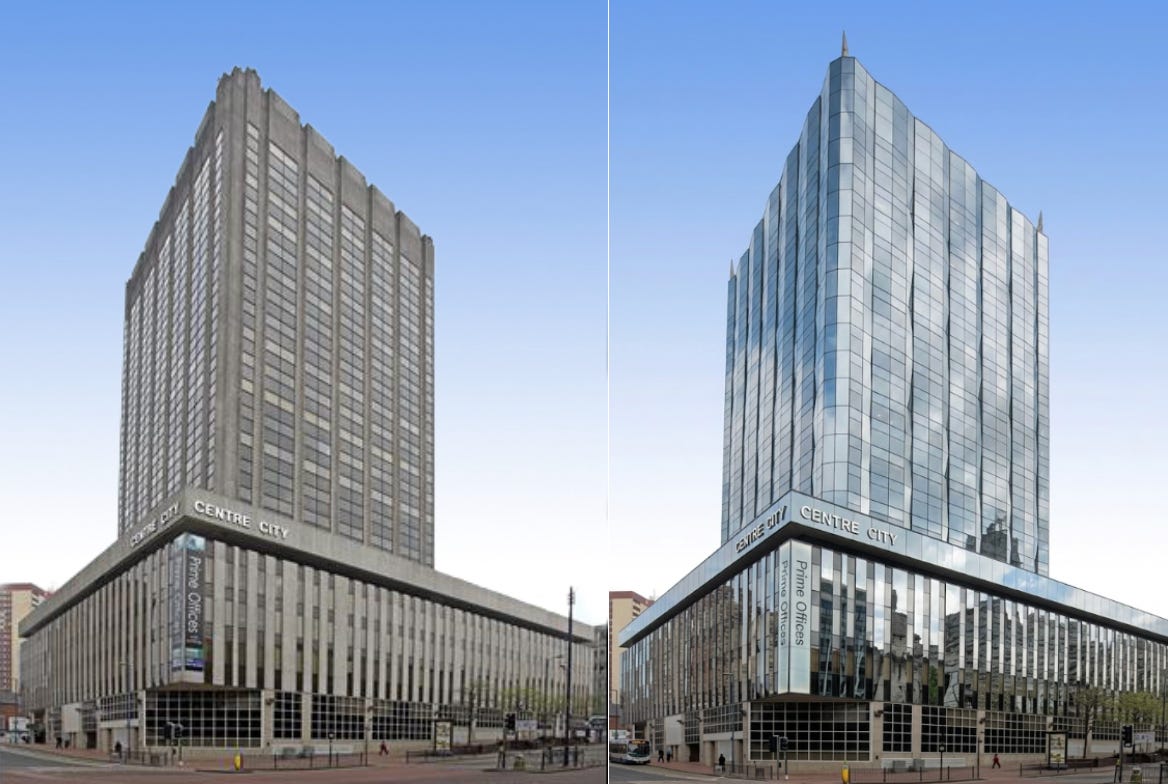
We can upgrade concrete buildings by putting a glass / mirror facade on them.
Named the ugliest building in UK this brutalist centre city building was built in 1968
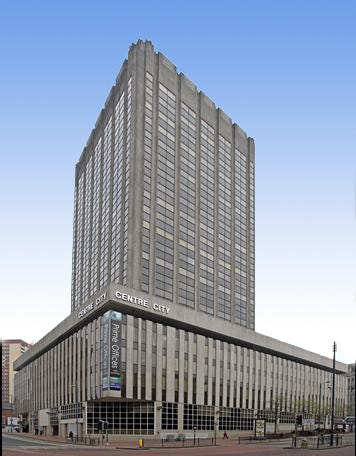
How can it be upgraded? The main challenge is cost
One solution is to use glass or mirrors.
These are usually expensive but there are some low cost options.
Glass is very inexpensive - between $3 to $35+ per square foot
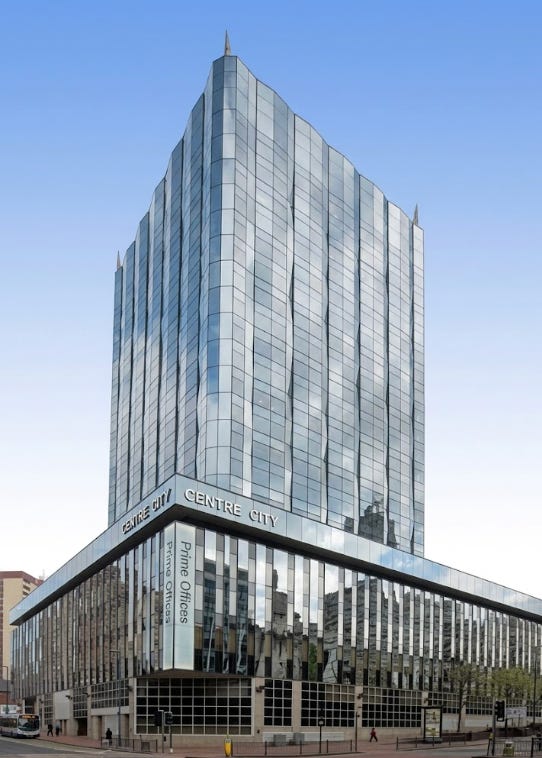
Such a redesign could be highly worth it for increasing the value of the property, ability to charge rent, and also the effect on the surrounding areas.
Another advantage is that it can help with insulation, and energy efficiency.
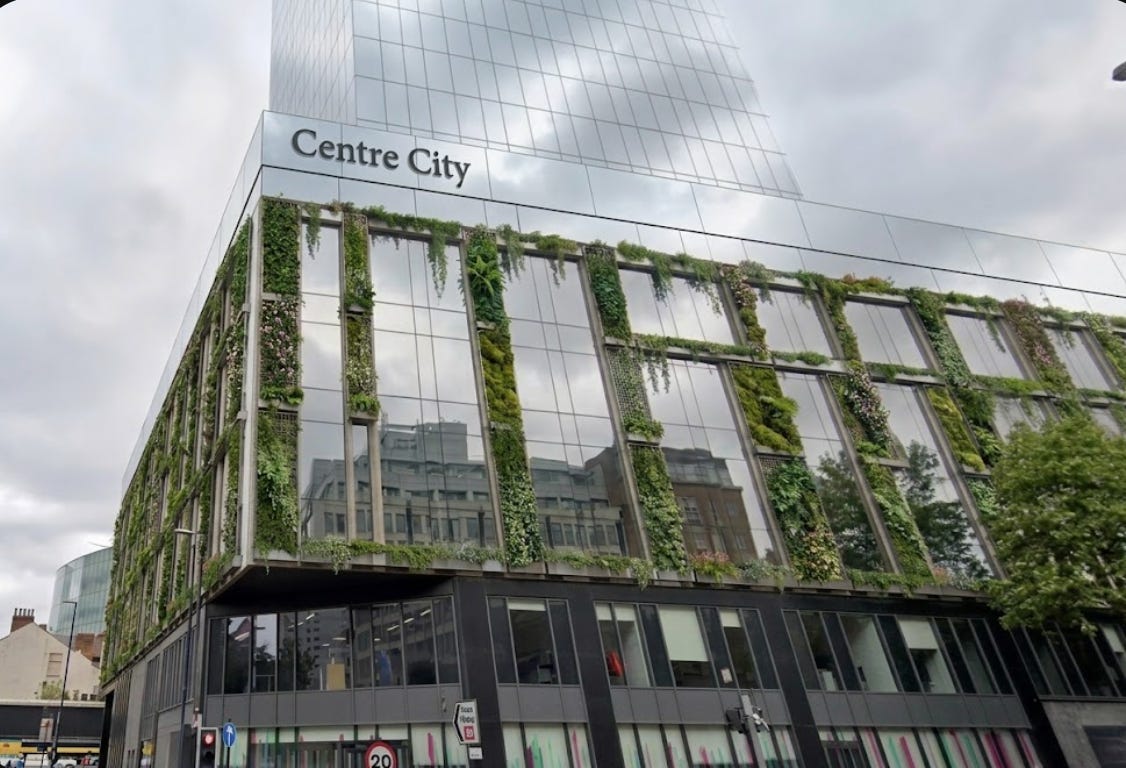
If the price of a completely new facade was too much, a cheaper redesign still could be to paint the concrete and upgrade the existing windows or add reflective glass to sections.
Such as below.
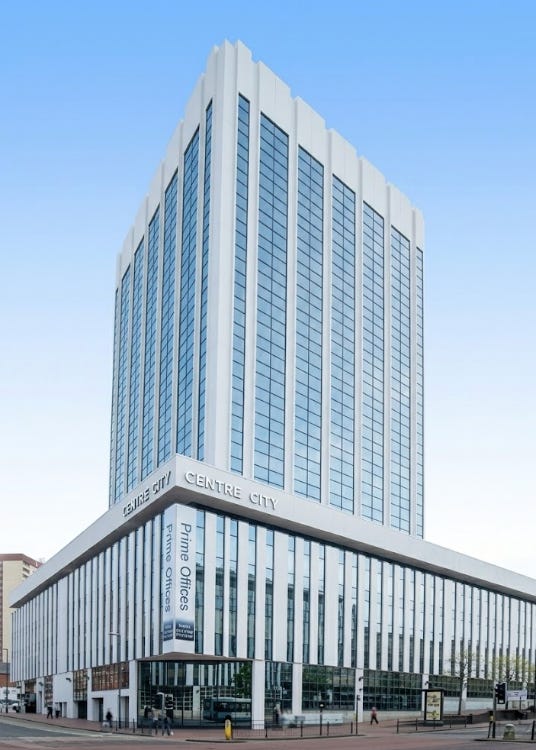
Estimates for this redesign could cost around £1.6 Million – £2.85 Million
On the glass one above it would be £3.5M – £6.5M.
The building cost around £3.5 Million and £5 Million to build in 1968 which is around £40 Million to £45 Million today due to inflation. The value of the building was recently estimated at £42 Million and £48 Million.
For a well-located brutalist building that’s been depressing rents due to appearance, a quality facade upgrade is probably one of the highest return-on-investment interventions available in real estate - precisely because you’re solving a perception problem on an otherwise solid asset.
At a cost of roughly 10% of the asset value it’s highly likely there would be an immediate boost on the asset value of far more than the initial investment, not taking into account energy savings.
The building likely pays around £500,000 to £800,000+ in electricity and heating, and this could save 30% of energy to reduce 150k-250k per year, which could see a return on investment in 10 years on energy savings alone.
What’s more important, is that it also signals to us and each other that we live in an abundant society, and one that is flourishing and going somewhere.
The quality of buildings and spaces and environment we live is incredibly important. It shapes how we think, and who we become, and that often this is more of a mindset shift and organisational issue.
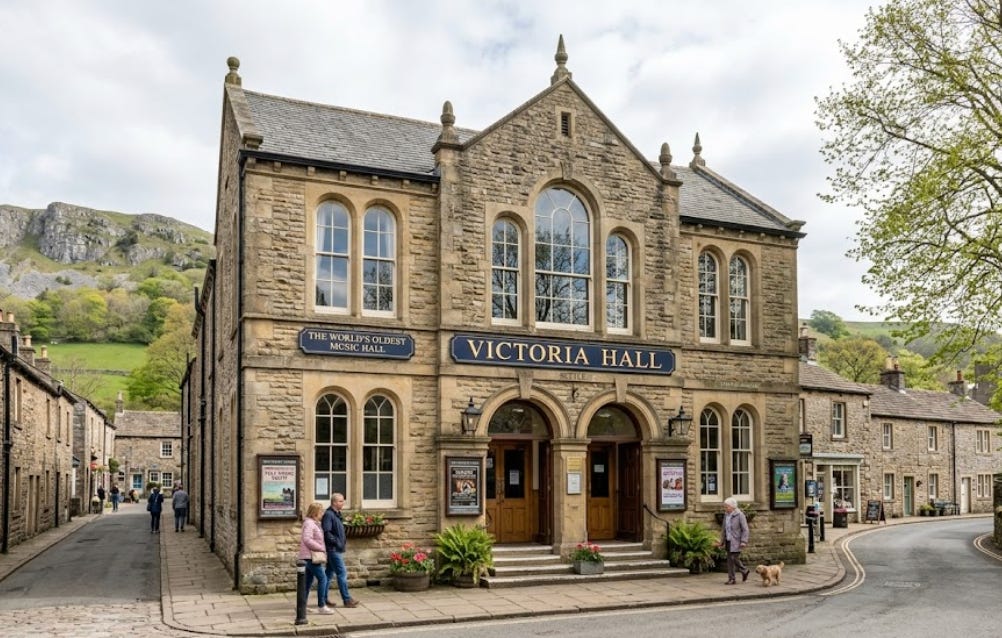
We can make beautiful buildings, and it is important that we do.
That’s what we built when we lived in smaller communities, and we’ve lost that now.
That’s something that we can’t measure in money alone.
